

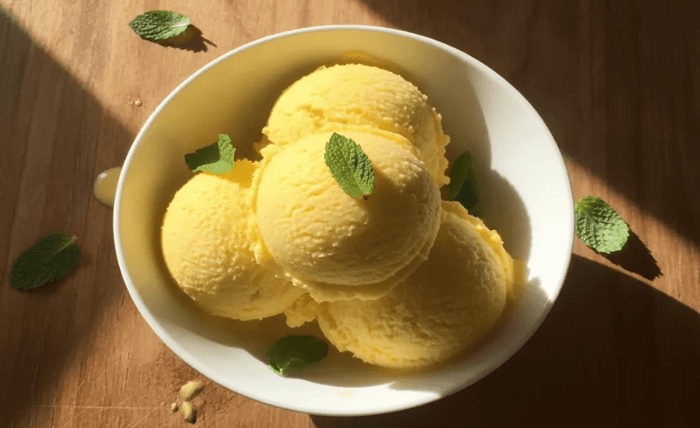
Color is one of the salient visual characteristics of a product noticed by the consumer upon observing it. Beverages, confectionery, desserts, bakery products, sauces and other food products can benefit from a suitable yellow shade and closely relate to their concept of flavor by utilizing natural yellow food color. The huge selection depends on the type of product, formulation, processing technique and desired visual effect.
Define the Desired Appearance
Manufacturers can choose a color ingredient that will give a specific color to the final product before they even choose it. The preferred color can be a light cream yellow to a more prominent yellow or golden.
This can be dependent on the product category. Bright, snappy yellow fits right in with a tart lemon drink, but a rich golden yellow just feels right for warm baked treats or sweets.
When formulating a color, it is helpful for the product developer to first know the desired color before comparing ingredients and creating formulation samples.
Explore Suitable Color Sources
There are a few natural ingredients that can add a yellow or yellow-orange color. Examples of such color sources include turmeric and annatto, which may be considered by the manufacturer based on their formulation needs.
Every source can give a unique visual appearance, and the final color may be affected by the level of concentration and the food matrix where it is located.
When developing the product on a small scale, manufacturers can compare the various sources to see which one is best. This enables them to find an alternative that will fit the product ingredients, their flavor idea and intended presentation.
Consider Yellow Food Coloring Applications
The use of yellow food coloring may be considered in many different food categories. Yellow color development can be possible in various foods or beverages such as bakery products, desserts, foods prepared in the market, sauces, candies, and ice cream.
The application rate is subject to the product and intensity required. Different concentrations may be needed for a manufacturer working on a product with a lighter color as a dessert than for a business making a brightly-colored dessert.
Using the ingredient in the product can aid in determining the desired concentration.
Evaluate the Food Matrix
Colors of the surrounding ingredients may affect the color of the product. The final appearance could be influenced by acidity, moisture, fat content, texture and other factors.
A representative sample of the complete manufacturing recipe can then be used by the manufacturers to test the color ingredients. This provides the developers with a better idea of the color’s compatibility with said formulation.
Comparing a number of samples can be helpful to determine the most appropriate shade and concentration for the desired product.
Test Different Concentrations
One concentration should not necessarily be used for each application. Product developers can make a number of samples with varying color levels and compare the samples side by side.
This method in this way allows the teams to determine if a subtle color, a medium color or a more prominent color is best for the product concept.
There is also a possibility to determine the efficiency of the dispersion of the color in the formulation by small-scale testing. These results can then be applied to develop a more uniform application procedure.
Consider Processing Conditions
Mixing, heating, baking, cooling, freezing, drying, and filling are among the food manufacturing processes. When assessing a yellow color ingredient, it is important to take the following stages into consideration.
During formulation trials, the developers can recreate key production conditions to gain an understanding of the final product appearance post-production.
An assessment of the addition stage can also be done. Correctly adding color to an appropriate location and using an appropriate mixing technique can provide greater uniformity of color throughout the product.
Choose the Right Ingredient Format
Depending on the origin and use, natural colors can be provided in various formats. Powders or liquids can be considered depending on the equipment, formulation, moisture content and preferred incorporation method of the manufacturer.
A powdered product can be used for dry mixes, whereas a liquid product is suitable for some liquid products. The best option is to use the workflow that is done during the actual production.
Teams can test these ingredients, which may evaluate the handling, measuring, mixing and dispersion of the ingredient before finalizing the ingredient format.
Create a Consistent Product Appearance
After the appropriate shade of yellow is chosen, manufacturers can record the preferred concentration, when to add it, the mixing process, processing conditions, and desired shade.
These details can be added to the production specification and can assist teams in ensuring that the product looks the same in all batches.
Product development can also be more organized in the business as the organization grows and expands, with clear documentation for future products needing related yellow or golden tones.
Conclusion
Many foods can be presented with a strong presentation of a well-considered yellow color, and can support and enhance the concept of the food product. Through the definition of the target shade, the selection of appropriate sources, the trials of various concentrations, a suitable food matrix and the processing conditions, a practical strategy for the application of yellow color can be established by the manufacturers. When considering the use of a naturally derived yellow color in your next product, check out foodrgb.com to see which colors are available and make your product’s visual concept come to life.